My Guru
It is never easy to write about one’s Guru. Where does one begin, and where does one end? For me, the years of learning under the revered kathak maestro, Guru Shri Munna Shukla ji of Kalka Bindadin Gharana cannot be measured in lessons or milestones. They were absorbed like osmosis, seeping into every aspect of my being.
For 14 years, I was blessed to learn in the traditional Guru-Shishya Parampara, where knowledge was not confined to the classroom. My learning happened everywhere, during rehearsals, on journeys, over casual discussions that would suddenly unfold into a bandish, or in the quiet pauses where anecdotes from my Guru’s life carried the essence of Kathak itself.
In 2008, Guruji took me under his wings, and from then on, every space, airports, canteens, cars, or greenrooms, became a gurukul, where rhythm and poetry lived and breathed. Since 2009, I have had the rare privilege not only to perform under his guidance but also to organize and present workshops, baithaks, and events that carried forward his vision.
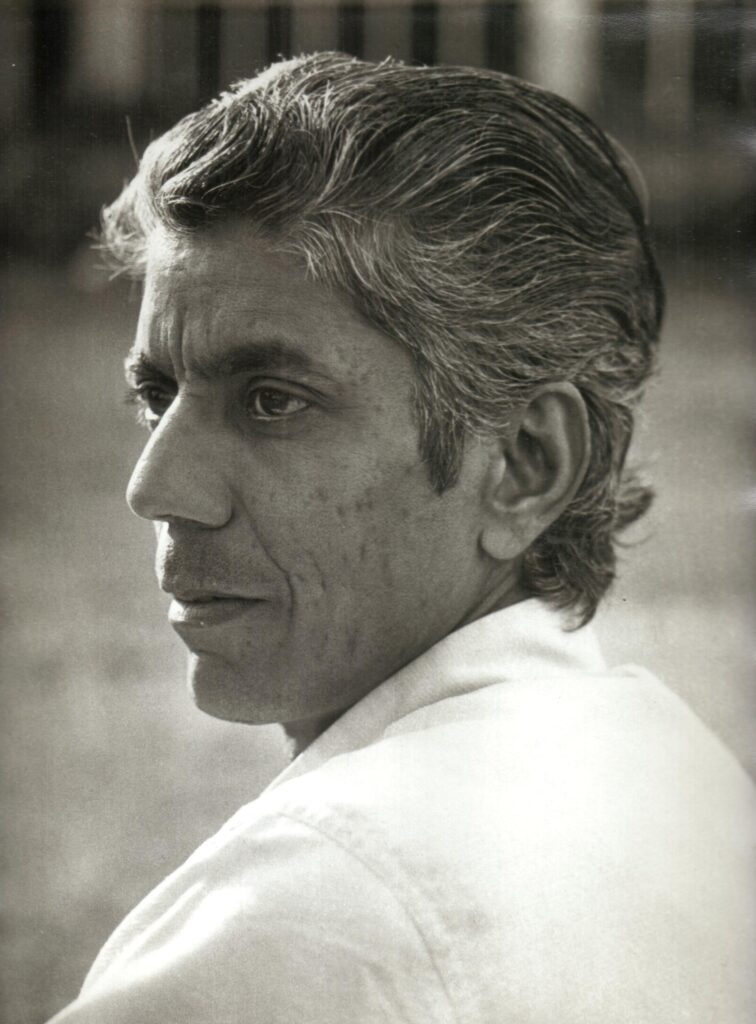
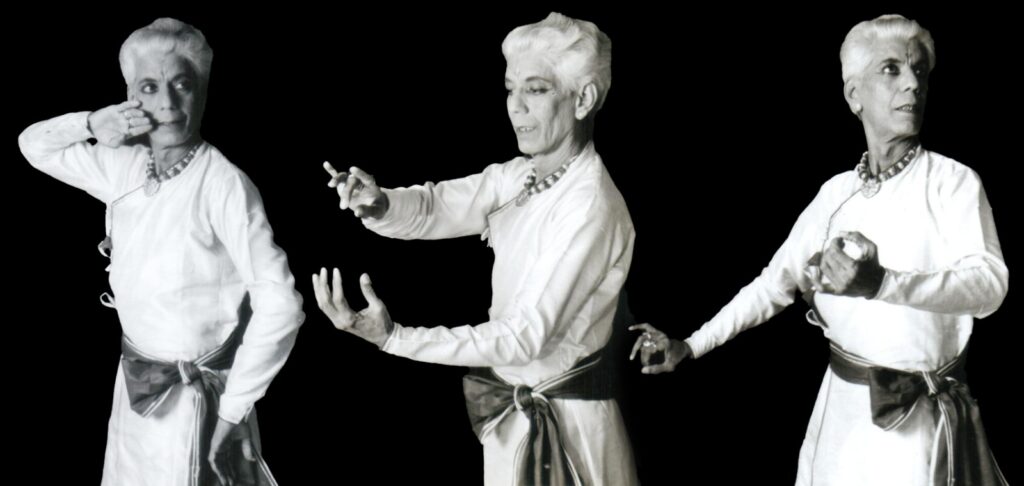
Guru Munna Shukla ji (1943–2022) was a leading light of the renowned Lucknow Gharana of Kathak. The grandson of the legendary Pandit Achhan Maharaj and the disciple-nephew of Pandit Birju Maharaj, he inherited a lineage of extraordinary brilliance.
Trained first by his father, Shri Sunder Lal Shukla, he upheld the uncompromising subtlety and lyrical grace of the Lucknow style. In an age enamored by dizzying chakkars and lightning footwork, his artistry lay in the art of kathavaachan, storytelling through dance, where simplicity concealed great depth, and movement sparkled with dynamic spirit.
For me as a student of art, meeting him was the turning point. He was a traditionalist to the core, and yet, it was only under him that I discovered what the words tradition and classic truly meant. At first glance, such words may appear rigid, but in his teachings, I found a surprising modernity, a freshness that felt ahead of time. His compositions and views carried an eternal relevance, dissolving the conflict I once felt between what is modern and what is classical. In his presence, I realized they are not opposites, but two faces of the same truth.
This paradox drew me into deeper questioning, and my Guru never offered easy answers. Instead, he let me struggle, to think, reflect, and find the meaning within. That journey led me to my first documentary film, ‘Arpan’, an offering to him, and my maiden work as a director and producer. The quest continues through my second film on his style of dancing, where I still wrestle with the eternal balance he embodied between tradition and modernity.
For disciples and lovers of Kathak, this understanding is crucial. If the effigy of Kathak tradition is to remain alive, it must be carried not only in form and beauty, but in spirit, by those willing to look beyond its surface and live its essence.
Guru ji would often say, “An artist has to be like water – transparent.” It sounds simple, yet it holds a universe. Through his crystal-clear vision, I began to see the reflection of my own modern instincts within the traditional. His words continue to guide me, as I carry forward his legacy with reverence and joy.
Ahaetuki – A Tribute Project
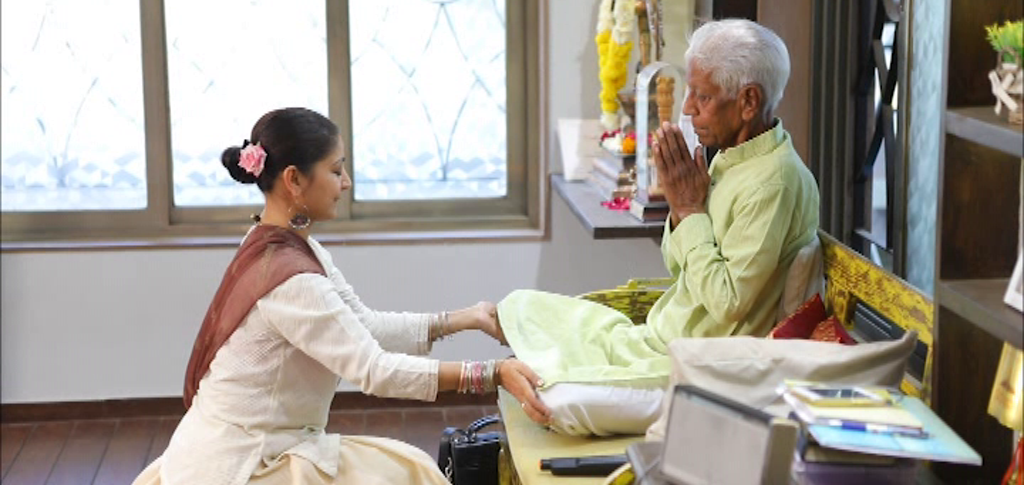
Ruchi’s most heartfelt endeavour is ‘Ahaetuki – The Grace of a Master’, a project dedicated to her late Guru, Kathak Maestro, Munna Shukla ji. Conceived as a labour of love and remembrance, Ahaetuki carries forward his artistic legacy, ensuring that the timeless treasures of his teachings are preserved for future generations. Through this initiative, Ruchi curates performances, archival documentation, and intimate gatherings that embody her Guru’s spirit of selfless dedication to Kathak.
Ahaetuki is not just an homage; it is a living continuum. A bridge between the past and the future, where the Guru’s voice resonates through the disciples, and the art remains alive, inspired, and unbroken.
©ruchisaini – All rights reserved | Created by Sunlime Studio